As of recent years, reflect the evolving landscape of podcasting, with several key developments emerging. Here are the top trends shaping the Apple best trends podcast of apple guide step by step in 2024 platform:
[toc]
1. Rise of Paid Podcast Subscription
Apple Podcasts Subscriptions: In 2021, Apple introduced a paid subscription model, allowing creators to offer premium content. This includes:
Ad-free episodes
Exclusive content
Early access to new episodes
Trend: Many top-tier podcasters and media companies are leveraging this model to generate revenue directly from their listeners. This shift is creating a growing marketplace for premium, subscription-based podcasts.
2. Growth in Niche and Specialized Content
Hyper-focused Podcasts: There is an increasing demand for podcasts that target niche interests—whether it’s podcasts on very specific industries, hobbies, or cultural topics.
Trend: Niche shows are growing faster than general interest podcasts. Apple’s algorithm now favors hyper-focused podcasts by delivering better content recommendations based on user behavior and preference
3. Podcast Networks and Channels
Apple Podcasts Channels: Introduced as part of the subscription service, podcast creators can now bundle multiple shows into channels. This feature allows creators and brands to curate content for specific audiences and offer bundled premium content.
Trend: Networks like Wondery, NPR, and Luminary have started to create podcast channels, providing listeners with curated experiences or exclusive content libraries, further expanding revenue streams.
4. Audio Storytelling and Fiction Podcasts
Fiction Podcasts: The storytelling genre, especially audio dramas and fictional storytelling podcasts, has seen a major boom on Apple Podcasts. Listeners are seeking cinematic experiences through audio.
Trend: Podcasts like “Homecoming”, “The Left Right Game”, and “Welcome to Night Vale” have set the stage for immersive storytelling experiences, creating a new subgenre of entertainment within the podcasting space.what is a podcast best guide & tips 2024
5. Focus on Mental Health and Self-Improvement
Mental Health Podcasts: With a growing awareness of mental health, there has been a rise in podcasts dedicated to self-help, meditation, mindfulness, and mental well-being.
Trend: Shows like “The Daily Stoic”, “On Purpose with Jay Shetty”, and “Ten Percent Happier” are increasingly popular, catering to listeners looking for personal development, mental health support, and mindfulness tips.
6. Diversification of Podcast Formats
Short-form Podcasts: While traditional podcast episodes often range from 30 to 60 minutes, there is a growing trend toward shorter, more digestible episodes (5-15 minutes).
Trend: These podcasts are designed to fit into the busy schedules of listeners, often offering quick insights or entertainment, like “The Daily” from The New York Times or “Up First” from NPR.
Mini-series and Limited-run Podcasts: More creators are experimenting with serialized content—limited-run podcasts that tell a complete story over a few episodes. True crime shows, documentary-style investigations, and investigative journalism podcasts often follow this format.
7. Explosion of True Crime and Investigative Journalism
True Crime: The true crime genre remains one of the most popular categories on Apple Podcasts, with shows like “Serial”, “Crime Junkie”, and “My Favourite Murder” dominating the charts.
Trend: True crime’s appeal lies in its ability to weave gripping, real-life narratives, and many new podcasts focus on unsolved cases, historical mysteries, and investigative journalism.
best trends podcast of apple guide step by step in 2024
8. Interactive and Community-driven
Listener Engagement: Podcasts are becoming more interactive, with creators encouraging audience participation through social media, live events, and Q&A segments.
Trend: Shows like “The Joe Rogan Experience” and “Armchair Expert” feature fan-submitted questions or live audience interactions, creating a more dynamic listener experience.
9. Podcasts as Marketing Tools for Brands
Branded Podcasts: Companies and organisation are increasingly producing branded podcasts to engage with their audience in a more intimate way. Brands use podcasts for thought leadership, storytelling, or promoting their products.
Trend: Examples include “The Sauce” by McDonald’s or “The Message” by GE, as brands recognize the power of podcasting to connect with consumers beyond traditional advertising
10. Globalization and Multilingual Podcasts
Growth in Non-English Podcasts: As the podcasting industry grows globally, there’s a significant increase in non-English shows catering to diverse audiences.
Trend: Apple Podcasts has seen a rise in popularity in regions such as Latin America, Europe, and Asia, where multilingual content is being produced. Creators are catering to specific markets with language-specific podcasts or cross-cultural topics.
11. Podcasting as a Business Model
Professionalisation of Podcasts: Podcasting is no longer just a hobby; it has become a viable career for many creators. With platforms like Patreon and Apple Podcasts Subscriptions, pod casters can monetise their content.
Trend: Podcasts are now seen as media businesses, with many creators forming production companies, selling advertising, and diversifying their revenue through live events, merchandise, and paid subscriptions.
12. Enhanced Discoverability and Personalization
Apple’s AI Recommendations: Apple Podcasts uses advanced algorithms to personalize recommendations based on user behavior, listening history, and preferences.
Trend: Improved discover ability through personalised recommendations is helping users find more niche and independent podcasts, giving smaller creators a better chance to reach new audiences.
[related post=20]
13. Cross-Promotion of Video Content
Video and Podcast Convergence: Many popular pod casters are starting to include video versions of their episodes on platforms like YouTube or through Apple’s upcoming plans for video podcasts.
Trend: Creators like Joe Rogan and Logan Paul have already started publishing video content alongside audio to capture the video-first audience, and this trend is likely to continue growing.
14. Corporate and News-Driven Podcasts
News Podcasts: Major media companies like The New York Times, BBC, NPR, and CNN are increasingly using podcasts as a news outlet to engage listeners.
Trend: Daily news podcasts, such as “The Daily” and “Up First”, continue to perform well as they offer on-the-go news consumption in short, concise episodes.
15. Localised Content
Would you like more detailed insights on a specific trend?
As of recent years, Apple Podcast trends reflect the evolving landscape of podcasting, with several key developments emerging. Here are the top trends shaping the Apple Podcasts platform:
1. Rise of Paid Podcast Subscriptions
Apple Podcasts Subscriptions: In 2021, Apple introduced a paid subscription model, allowing creators to offer premium content. This includes:
Ad-free episodes
Exclusive content
Early access to new episodes
Trend: Many top-tier podcasters and media companies are leveraging this model to generate revenue directly from their listeners. This shift is creating a growing marketplace for premium, subscription-based podcasts.
2. Growth in Niche and Specialized Content
Hyper-focused Podcasts: There is an increasing demand for podcasts that target niche interests—whether it’s podcasts on very specific industries, hobbies, or cultural topics.
Trend: Niche shows are growing faster than general interest podcasts. Apple’s algorithm now favors hyper-focused podcasts by delivering better content recommendations based on user behavior and preferences.
3. Podcast Networks and Channell
Apple Podcasts Channels: Introduced as part of the subscription service, podcast creators can now bundle multiple shows into channels. This feature allows creators and brands to curate content for specific audiences and offer bundled premium content.
Trend: Networks like Wondery, NPR, and Luminary have started to create podcast channels, providing listeners with curated experiences or exclusive content libraries, further expanding revenue streams.
4. Audio Storytelling and Fiction Podcasts
Fiction Podcasts: The storytelling genre, especially audio dramas and fictional storytelling podcasts, has seen a major boom on Apple Podcasts. Listeners are seeking cinematic experiences through audio.
Trend: Podcasts like “Homecoming”, “The Left Right Game”, and “Welcome to Night Vale” have set the stage for immersive storytelling experiences, creating a new subgenre of entertainment within the podcasting space.
5. Focus on Mental Health and Self-Improvement
Mental Health Podcasts: With a growing awareness of mental health, there has been a rise in podcasts dedicated to self-help, meditation, mindfulness, and mental well-being.
Trend: Shows like “The Daily Stoic”, “On Purpose with Jay Shetty”, and “Ten Percent Happier” are increasingly popular, catering to listeners looking for personal development, mental health support, and mindfulness tips.
6. Diversification of Podcast Formats
Short-form Podcasts: While traditional podcast episodes often range from 30 to 60 minutes, there is a growing trend toward shorter, more digestible episodes (5-15 minutes).
Trend: These podcasts are designed to fit into the busy schedules of listeners, often offering quick insights or entertainment, like “The Daily” from The New York Times or “Up First” from NPR.
Mini-series and Limited-run Podcasts: More creators are experimenting with serialized content—limited-run podcasts that tell a complete story over a few episodes. True crime shows, documentary-style investigations, and investigative journalism podcasts often follow this format.
7. Explosion of True Crime and Investigative Journalism
True Crime: The true crime genre remains one of the most popular categories on Apple Podcasts, with shows like “Serial”, “Crime Junkie”, and “My Favorited Murder” dominating the charts.
Trend: True crime’s appeal lies in its ability to weave gripping, real-life narratives, and many new podcasts focus on unsolved cases, historical mysteries, and investigative journalism.
Interactive and Community-driven Podcasts
Listener Engagement: Podcasts are becoming more interactive, with creators encouraging audience participation through social media, live events, and Q&A segments.
Trend: Shows like “The Joe Rogan Experience” and “Armchair Expert” feature fan-submitted questions or live audience interactions, creating a more dynamic listener experience.
Podcasts as Marketing Tools for Brands
Branded Podcasts: Companies and organisations are increasingly producing branded podcasts to engage with their audience in a more intimate way. Brands use podcasts for thought leadership, storytelling, or promoting their products.
Trend: Examples include “The Sauce” by McDonald’s or “The Message” by GE, as brands recognise the power of podcasting to connect with consumers beyond traditional advertising.
Growth in Non-English Podcasts: As the podcasting industry grows globally, there’s a significant increase in non-English shows catering to diverse audiences.
Trend: Apple Podcasts has seen a rise in popularity in regions such as Latin America, Europe, and Asia, where multilingual content is being produced. Creators are catering to specific markets with language-specific podcasts or cross-cultural topics.https://podcasters.apple.com/support/897-submit-a-show
Podcasting as a Business Model
Professionalisation of Podcasts: Podcasting is no longer just a hobby; it has become a viable career for many creators. With platforms like Patreon and Apple Podcasts Subscriptions, pod casters can monetise their content.
Trend: Podcasts are now seen as media businesses, with many creators forming production companies, selling advertising, and diversifying their revenue through live events, merchandise, and paid subscriptions.
12. Enhanced Discoverability and Personalization
Apple’s AI Recommendations: Apple Podcasts uses advanced algorithms to personalise recommendations based on user behavior, listening history, and preferences.
Trend: Improved discover ability through personalised recommendations is helping users find more niche and independent podcasts, giving smaller creators a better chance to reach new audiences.
Key Takeaways:
Monetization via subscriptions is gaining ground as podcasters look for direct audience revenue.
Niche content and short-form podcasts are growing in popularity.
Fictional storytelling and true crime continue to be standout genres.
Global growth and multilingual content are expanding the platform’s reach.
Personalized recommendations and improved discoverability are enhancing the user experience on Apple Podcasts.
“The Business Blueprint Podcast delivers expert insights, practical strategies, and success stories from leaders in entrepreneurship, marketing, and innovation. Perfect for business owners, professionals, and aspiring entrepreneurs, each.
podcast Tune in weekly for the tools and inspiration you need to achieve your goals.” Pros and Cons of Podcast: A Comprehensive Guide
[toc]
The Advantages of Starting a Podcast
Easy to Start Podcasting doesn’t require massive upfront investments. With just a microphone and basic software, anyone can begin creating content . benefits of podcast
Pros and Cons of Podcast: A Comprehensive Guide
Reach a Wide Audience
Podcasts are portable, and listeners can tune in while driving, working out, or even relaxing at home. This makes it easy to reach people at various times of the day
Monetization Opportunities
With a growing listener base, podcast creators can explore income streams like sponsorships, listener donations, and merchandise. Pros and Cons of Podcast: A Comprehensive what is a podcast
The Drawbacks of Podcasting
Time-Consuming Production Despite its simplicity creating high-quality podcasts involves significant effort, including scripting recording editing and marketing
Market Saturation
The podcast space is crowded, with millions of shows competing for attention. Standing out and building a loyal audience can be difficult pros of podcast
Podcasting Costs and Equipment
While podcasting can be low-cost initially, quality microphones, editing software, and hosting platforms can add up over time. Investing in the right tools is crucial for producing professional-grade content
Content Ownership and Protection Challenges
One of the significant downsides is the difficulty in protecting intellectual property. Without solid IP protection, your content can be easily copied or repurposed by others
[related post=10]
Building an Audience: The Struggles and Rewards
The first year of podcasting can be a challenging period. Many creators quit early due to slow growth, but those who persevere can develop a strong and loyal listener base
Is Podcasting Right for You?
Podcasting offers fantastic opportunities for connecting with an audience and sharing your passions. However, it requires patience, time, and a willingness to stand out in a competitive market. Consider the pros and cons before diving into this medium
Promotion is key to growing your podcast. Leveraging social media, cross-promotions, and partnerships with other podcasters can help you reach a larger audience. Consistent marketing efforts are necessary for building a steady listener base
The Role of Analytics in Podcasting
Podcasting offers detailed analytics, helping you track listener demographics, engagement, and episode performance. This data is essential for optimizing your content strategy and tailoring future episodes to your audience’s preferences
Future Trends in Podcasting
With the rise of video podcasts and advancements in AI-powered content creation, the future of podcasting is set to evolve. Staying updated with trends like dynamic ad insertion and immersive audio experiences can help keep your podcast relevant
Podcasting is a versatile
Podcasting is a versatile medium that allows creators to explore a range of topics, from personal interests to professional insights. Its growing popularity stems from its accessibility and the intimate connection it fosters between hosts and listeners .Pros and Cons of Podcast: A Comprehensive Guide However, success in podcasting requires dedication, both in terms of producing consistent, high-quality content and in marketing efforts. As competition increases, podcasters need to constantly innovate to stand out from the crowd. Ultimately, those who can navigate the challenges and leverage the opportunities in podcasting can build a loyal and engaged audience Pros and Cons of Podcast: A Comprehensive Guide
Conclusion:
Podcasts offer a unique and powerful way to engage with audiences, whether you’re sharing stories, educating, or building a brand. The pros, like accessibility, audience intimacy, and the ability to reach a global audience, make podcasts an excellent tool for communication and connection. However, they also come with challenges such as the time commitment required for production, the competition in a saturated market, and the need for consistent content. Ultimately, if you’re passionate and committed, the pros outweigh the cons, and podcasting can be a rewarding and effective medium for reaching your goals.
Summary of Types:
Entrepreneurial Inspiration: How I Built This, The Tim Ferriss Show
Leadership: The Ed Mylett Show, Coaching for Leaders
Marketing: The Grieve Audio Experience, Marketing Over Coffee
Finance: The Dave Ramsey Show, BiggerPockets Podcast
Startups: Masters of Scale, The Startup Podcast
Strategy: HBR Idea Cast, The McKinsey Podcast
Personal Development: The School of Greatness, The Daily Stoic Pros and Cons of Podcast: A Comprehensive Guide
advanteges of busines podcast
Here are the pros of business podcasts:
Flexibility: Can be consumed on-the-go, allowing for learning during daily routines.
Expert Knowledge: Provides access to advice and insights from experienced entrepreneurs and industry leaders.
Free Resource: Most business podcasts are free, offering valuable content without cost.
Time-Efficient: Short episodes deliver key information quickly, saving time compared to reading or attending seminars.
Networking and Community: Many podcasts create platforms for listener interaction, leading to networking opportunities.
Inspiration and Motivation: Success stories and challenges faced by guests can inspire action and creativity.
disadvanteges of podcast
Here are the cons of business podcasts:
Lack of Depth: Some episodes may not cover topics in enough detail compared to books or courses.
Quality Variation: The quality of content and production varies greatly between podcasts.
Limited Interaction: Unlike live events or workshops, there’s limited opportunity to ask questions or interact with speakers.
Time Investment: Long episodes can be time-consuming if not well-structured or relevant to your needs.
Distractions: Multitasking while listening can reduce focus and retention of important information.
Overload of Information: With so many podcasts available, it can be hard to filter out irrelevant or repetitive content. Pros and Cons of Podcast: A Comprehensive Guide
A podcast is a digital audio program, similar to an on-demand radio show, that you can stream or download at any time through apps like Spotify, Apple Podcasts, and Google Podcasts.
If you’re new to audio content, you might be wondering what is podcast and how it differs from traditional radio. Simply put, a podcast is an online audio series you can listen to whenever you want—whether you’re commuting, working out, or relaxing at home. This flexibility and convenience make podcasts one of the most popular ways to consume content today.
[toc]
What Is a Podcast? (Simple Definition)
A podcast is a digital audio program that you can stream or download anytime, just like an on-demand radio show. If you’re wondering what is a podcast?, it simply means an audio series available online that you can listen to whenever you want. In simple terms, what is podcast is a flexible way to enjoy content without any fixed schedule.
Key Features of Podcasts
Available online and easy to access anytime
Released in episodes covering different topics
Can be streamed or downloaded on apps
Offers full control to listeners (on-demand content)
What Are Podcasts? (Simple Explanation)
Podcasts are collections of digital audio episodes created by individuals or companies and published online. If you’re wondering what podcasts are, they are on-demand audio shows that you can listen to anytime based on your interests.
Key Points About Podcasts
Available on platforms like Spotify and Apple Podcasts
Can be streamed online or downloaded
Cover topics like business, tech, education, and entertainment
Released regularly in episode format
Who Invented Podcasts? (History & Origin)
The concept of podcasts is credited to Ben Hammersley, who first used the term “podcasting” in 2004. Around the same time, Dave Winer and Adam Curry developed the technology that made podcasts possible through RSS feeds.
Key Facts About Podcast Invention
Term “podcasting” was introduced in 2004
RSS technology enabled automatic episode delivery
Early podcasts were simple audio blogs
Helped create the modern on-demand audio system
Why It Matters Today
Made audio content easily accessible worldwide
Laid the foundation for modern podcast platforms
Podcast Meaning (Simple Explanation)
A podcast is an audio-based show available on the internet that you can stream or download anytime. If you’re curious what a podcast is Podcast meaning in urdu it’s essentially an on-demand audio program, similar to a radio show but with full control in the hands of the listener. podcast meaning in urdu Podcasts allow you to listen at your convenience—whether you’re commuting, exercising, or relaxing at home.
Podcast Meaning – Key Points
Digital audio content available online
Can be streamed or downloaded anytime (on-demand)
Covers a wide range of topics, including business, technology, lifestyle, and entertainment
Released in episodes or series for easy following
Why Podcasts Are Useful
Podcasts are a flexible and accessible way to consume content. They are usually free and perfect for both learning and entertainment. Geekzilla podcast Whether you want to stay updated on tech trends, gain business insights, or enjoy storytelling, podcasts make it easy to listen anytime, anywhere.
History and Origin of Podcasts
The word “podcast” is a combination of “iPod” and “broadcast,” introduced in 2004. Over time, podcasts evolved from small hobby projects into a global content industry with millions of listeners worldwide.
Key Milestones in Podcast Growth
Term coined in 2004 by Ben Hammersley
Growth increased with Apple iTunes integration
Expansion to platforms like Spotify and Google Podcasts
Became a mainstream global content format
Modern Podcast Evolution
Millions of podcasts available today
Used for education, business, and entertainment
How Do Podcasts Work?
Podcasts work through RSS feeds. When creators upload an episode to a hosting platform like Buzzsprout or Anchor, the RSS feed automatically distributes it to major podcast directories. As a listener, you simply subscribe to a podcast, and new episodes appear in your app. You can either stream them instantly or download them for offline listening. This system ensures that creators publish once, and listeners everywhere can access the latest episodes effortlessly.
Podcast Kya Hota Hai?
Podcast kya hota hai? Simple words mein, podcast ek digital audio program hota hai jo internet par available hota hai aur episodes ki form mein publish hota hai. Aap ise kabhi bhi mobile ya computer par sun sakte hain, bilkul on-demand radio show ki tarah.
Key Points
Podcast ek online audio show hota hai
Episodes regular schedule par publish hote hain
Aap ise Spotify, Apple Podcasts, ya Google Podcasts par sun sakte hain
Har podcast kisi specific topic ya niche par hota hai
Listeners ise kabhi bhi stream ya download kar sakte hain
Podcast Kyu Popular Ho Raha Hai
On-demand listening ki wajah se flexible hai
Multitasking ke sath easily suna ja sakta hai
Free content hone ki wajah se zyada log use karte hain
Types of Podcasts (With Examples)
Podcasts come in many formats, including:
Interview Podcasts – A host interviews guests (e.g., The Joe Rogan Experience).
Solo Podcasts – A single host shares thoughts or teaches (e.g., The Daily Stoic).
Panel Podcasts – Multiple hosts or experts discuss a topic (e.g., The FiveThirtyEight Politics Podcast).
Educational Podcasts – Focused on learning and growth (e.g., Stuff You Should Know).
This variety makes podcasts appealing to audiences with different interests and goals. types of interview podcast
Solo or Monologue Podcasts
Solo or monologue podcasts feature a single host sharing their thoughts, stories, or expertise directly with listeners. They are simple to produce, highly personal, and allow the host to build a strong one-on-one connection with the audience.
🎤 One host, no guests
🧠 Great for personal branding and expertise
⚡ Easy to produce and manage
🎯 Focused content without interruptions
🤝 Builds direct connection with listeners
Podcast vs Radio (Comparison)
Feature Podcast Radio
Availability On-demand, anytime Live, scheduled times
Content Niche & diverse topics Broad, general programming
Access Internet-based apps/platforms Traditional AM/FM signals
Episodes Released in series & archived Usually not archived
Control Listener chooses what to play Station controls content
Benefits of Podcasts.
Why Podcasts Are More Flexible
Podcasts outshine traditional radio because they are on-demand, versatile, and lifestyle-friendly. Unlike radio, which requires tuning in at a fixed time, podcasts let you listen anywhere, anytime, and on any topic that interests you.
🎧 Listen on-demand — pause, rewind, or replay anytime
🗂 Access full archives of past episodes
🎙 Wide variety of topics beyond mainstream radio
🕒 Fits your personal schedule and daily routine
📱 Available on multiple apps and devices
Podcasts offer several advantages:
Flexibility – Listen anytime, anywhere.
Free Content – Most podcasts cost nothing.
Educational – Learn new skills, languages, or ideas.
Entertainment – Comedy, stories, and engaging conversations.
Multitasking Friendly – Enjoy while commuting, working out, or cooking.
This makes podcasts an accessible medium for both fun and personal development.
How to Listen to Podcasts
Listening to a podcast is simple:
Download a Podcast App – Spotify, Apple Podcasts, or Google Podcasts.
Search for Topics or Shows – Use keywords or browse categories.
Subscribe to a Podcast – Stay updated with new episodes automatically.
Stream or Download – Stream instantly or save for offline listening.
Enjoy Anywhere – On your phone, tablet, or computer.
Choose a Niche & Audience – Define your target listeners.
Plan Your Format – Interview, solo, co-hosted, or storytelling.
Get Equipment – A good microphone, headphones, and editing software.
Record & Edit – Use tools like Audacity or Adobe Audition.
Brand Your Show – Create a unique name and cover art.
Select a Hosting Platform – Buzzsprout, Anchor, or Libsyn.
Publish & Distribute – Share via Spotify, Apple, Google, etc.
Promote Your Podcast – Use social media, blogs, or YouTube.
Choosing Your Podcast Niche
Selecting the right niche is the foundation of a successful podcast. A clear niche helps you target the right audience, stand out in a crowded market, and create consistent, engaging content that matches listeners’ interests.
🎯 Focus on a specific topic or theme
👥 Define your target audience clearly
📈 Easier to grow and build loyalty
🧩 Creates consistency in content style
🌟 Helps you stand out from competitors
What is Podcasting?
Podcasting is the process of creating and sharing audio content online in episode format that users can listen to anytime. It allows creators to build authority and connect with audiences through valuable, on-demand discussions.
Key Benefits of Podcasting
Builds trust and authority (E-E-A-T)
Reaches audiences on multiple platforms
Easy to consume while multitasking
Helps grow personal or brand visibility
Why Podcasting Matters for E-E-A-T
Shows real experience through voice
Demonstrates expertise in a niche
Builds audience trust over time
Why Podcasts Are Becoming So Popular
Podcasts are growing worldwide because people want easy, flexible, and screen-free content. Understanding what a podcast is helps beginners get started easily. They fit into busy lifestyles and give listeners control over what they want to learn, hear, or enjoy.
⭐ Key Reasons (Bullets)
On-demand listening anytime
No screen needed — perfect for multitasking
Massive variety of topics & genres
Free access for almost everyone
Short and long episodes available
Easy to follow favorite creators
Global access through apps
More influencers launching podcasts
High-quality storytelling formats
People prefer audio during routines
Popular Podcast Examples (Beginner-Friendly List)
Here are some well-known podcasts that help readers understand what podcast content looks like.
🎧 Examples
The Joe Rogan Experience – Interviews & conversations
Serial – True crime storytelling
The Daily – News & updates
Stuff You Should Know – Education & fun learning
Diary of a CEO – Business & life advice
Call Her Daddy – Lifestyle & relationships
Huberman Lab – Science & human behavior
Planet Money – Finance made simple
Podcast Meaning in Hindi
Hindi mein podcast ka matlab hai internet par available ek audio karyakram jo episodes ki form mein publish hota hai. Isse aap apni marzi ke waqt par sun sakte hain, bina kisi fixed schedule ke.
Podcast Meaning – Hindi Explanation
Podcast ka matlab hai digital audio show
Yeh internet ke through distribute hota hai
Har episode alag topic ya discussion cover karta hai
Listeners ise subscribe karke regular sun sakte hain
Yeh radio ka modern aur flexible version hai
Podcast ke Basic Features
Audio format mein hota hai, video zaroori nahi
RSS feed ke through automatically update hota hai
Mobile apps se easily access kiya ja sakta hai
Podcast Equipment Checklist
To start a podcast, you don’t need expensive gear. A simple setup is enough for beginners, and you can upgrade later as your show grows.
Understanding basic podcast terms helps you sound confident and professional.
📘 Key Terms Explained
RSS Feed – The link that sends your podcast to apps
Host (Platform) – Where your podcast files are stored
Directory – Spotify / Apple where listeners find your show
Show Notes – Description + links for each episode
Episode Trailer – Short intro episode
Niche – Topic or theme of your podcast
Outro – Ending message or closing
Tips to Grow Your Podcast Audience
Be consistent with episode uploads.
Use SEO-friendly titles and descriptions.
Invite guest speakers to widen reach.
Share snippets on social media.
Encourage reviews and ratings on podcast platforms.
Network with other podcasters for cross-promotion.
Here are five advantages of podcasts:
🎧 On-Demand Access – Listen whenever and wherever you want.
🗂 Wide Variety of Topics – From news and education to comedy and storytelling.
🕒 Fits Any Schedule – Perfect for commuting, exercising, or multitasking.
💸 Mostly Free – The majority of podcasts cost nothing to enjoy.
🤝 Personal Connection – Hosts often build a strong bond with their audie
Final Thoughts
In 2024, podcasting continues to grow, offering endless opportunities for creators to connect with global audiences. By focusing on quality content, consistency, and engagement, you can build a successful podcast that resonates with listeners. what is a podcast complete guide step by step & tips
what are the atvanteges of podcast
Convenient: Listen anytime, anywhere, even while multitasking.
Varied Content: Covers a wide range of topics and interests.
Free Access: Most podcasts are available at no cost.
On-Demand: Available whenever you want, unlike scheduled radio shows.
Cost-Effective: Inexpensive to produce and distribute. what is a podcast best guide step by step& tips 2024
Global Reach: Easily accessible on multiple platforms.
Engaged Audience: Builds a loyal listener base and offers monetization opportunities.
Frequently Asked Questions About Podcasts
What is a podcast in simple words?
A podcast is an audio program you can listen to anytime on your phone or computer.
What are podcasts used for?
Podcasts are used for learning, entertainment, storytelling, news, and personal growth.
What is a podcast example?
Popular examples include The Joe Rogan Experience, Serial, and The Daily.
Are podcasts free?
Yes, most podcasts are free to listen to on platforms like Spotify and Apple Podcasts.
Have you ever wanted to start a podcast but didn’t know where to begin? You’re not alone. With over 500 million podcast listeners worldwide (Statista, 2025), the demand for fresh voices is higher than ever. Whether you want to build a brand, share your expertise, or just have fun, podcasting is one of the most rewarding ways to connect with an audience.
[toc]
Why Start a Podcast?
Podcasting has become one of the fastest-growing forms of media. Here’s why so many people are starting their own shows:
🎙 Creative outlet – Share stories, ideas, or passions.
🌍 Global reach – Connect with listeners worldwide.
💼 Authority building – Position yourself as an expert.
💰 Monetization opportunities – Ads, sponsorships, or subscriptions.
🤝 Community – Build loyal relationships with your audience.
Define Your Podcast Idea
Your idea is the foundation of your show. Without a clear direction, it’s easy to lose focus.
Tips for defining your niche:
🎯 Choose a topic you’re passionate about.
👥 Think about your target audience.
🧩 Narrow your niche (e.g., “personal finance for millennials” instead of just “finance”).
You don’t need a studio, but clear audio is non-negotiable.
Basic setup for beginners:
🎙 Microphone – USB mics like Blue Yeti or ATR2100x.
🎧 Headphones – Closed-back headphones for editing.
💻 Recording software – Audacity (free) or Adobe Audition.
🔊 Pop filter – Reduces unwanted noise.
Plan and Record Your First Episode
Preparation makes recording smoother.
📝 Write a simple script or outline.
📍 Choose a quiet space.
🎬 Record an engaging intro (who you are + what the show is about).
🎙 Speak naturally—mistakes can be e
Edit for Professional Quality
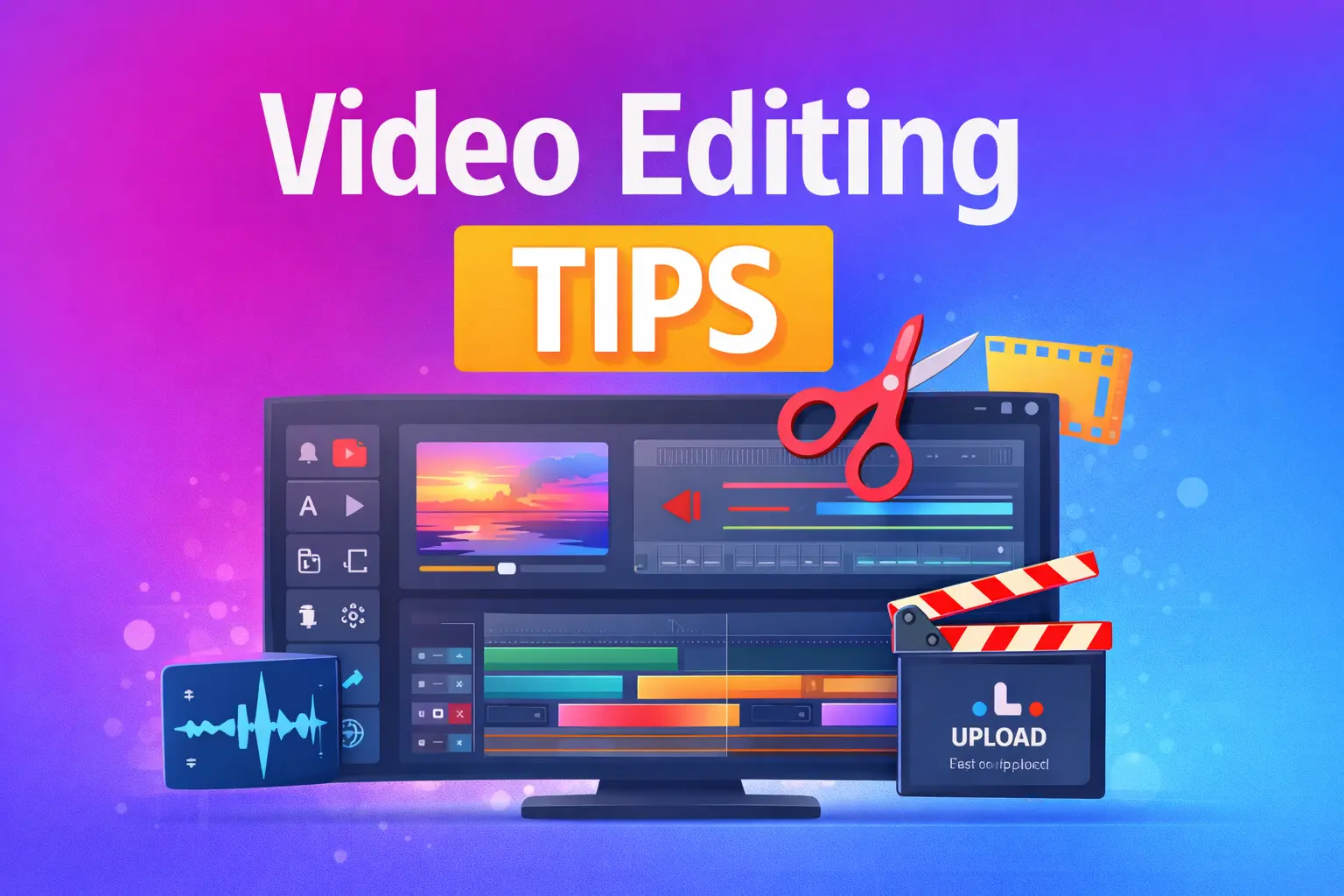
Editing polishes your audio and makes it more enjoyable for listeners. A clean, consistent sound keeps your audience engaged and encourages them to return for future episodes.
✂️ Remove background noise and mistakes
🎶 Add intro/outro music for branding
🎚 Normalize volume for consistency
💾 Save files in MP3 format (128–192 kbps).
Choose a Hosting Platform
A hosting platform is the backbone of your podcast. It stores your episodes and distributes them across directories, ensuring your content reaches listeners everywhere.
Popular options:
🔹 Buzzsprout – User-friendly with analytics
🔹 Anchor (Spotify for Podcasters) – Free and simple
🔹 Podbean – Affordable with unlimited hosting
Key features to look for:
RSS feed generation
Storage space
Analytics dashboard
Pricing flexibility
Submit to Directories
Submitting your podcast to directories is essential for visibility. The more platforms you appear on, the more chances people have to discover your content.
Apple Podcasts
Spotify
Google Podcasts
Amazon Music
Stitcher
Launch With a Strategy
Launching your podcast the right way sets the tone for long-term success. Don’t release just one episode—give listeners multiple options to binge.
Best practices for launching:
🎬 Release 3–5 episodes at launch
📣 Promote on social media and email lists
💬 Ask friends/followers for reviews
Promote and Grow Your Podcast
Podcast growth requires consistent marketing and audience interaction. Relying on organic discovery isn’t enough—you need to actively promote your show.
Promotion strategies:
📱 Share snippets on Instagram, TikTok, and LinkedIn
🎙 Appear as a guest on other podcasts
📰 Optimize episode titles and descriptions for SEO
🤝 Invite guests with their own following
👉 Cross-promotion and steady marketing help build a loyal listener base.
Monetize Your Podcast
Once you have an audience, you can turn your podcast into income. Monetization works best when it adds value without overwhelming your listeners.
Analytics are key to understanding your audience and improving your content. They help you make data-driven decisions that grow your show.
📊 Track downloads and listens
🧑🤝🧑 Analyze listener demographics
⏱ Monitor retention rates
🔁 Refine content based on data
👉 Analytics help you learn, adapt, and continuously grow your podcast.
FAQs About Starting a Podcast
Q1:How much does it cost to start a podcast? It can be free with basic tools, but expect to spend $50–$200 on equipment and hosting.
Q2: Do I need a studio to start? No. Many podcasters record at home with budget-friendly setups.
Q3: How long should episodes be? Most fall between 20–60 minutes. Focus on providing value.
Q4: Can I start a podcast alone? Yes. Solo podcasts are popular, flexible, and easier to manage.
Q5: How do I grow my podcast audience? Promote consistently, optimize SEO, and engage with your listeners.
[related post=10 type=random primary= secondary=]
solutions for podcast
Here are effective solutions to improve and grow a podcast:
Content Strategy: Develop a consistent format, plan episodes ahead, and research trending topics to keep your audience engaged.
Improving Audio Quality: Use quality recording equipment, minimize background noise, and edit carefully for clear, professional sound.
Audience Engagement: Interact with listeners through Q&A sessions, social media, and listener shout-outs to build a loyal community.
Marketing and Promotion: Leverage social media platforms, cross-promote with other podcasts, and utilize SEO tactics like optimised episode titles and descriptions to reach new listeners.
Monetization: Explore revenue streams like sponsorship, crowdfunding (Patreon), or offering premium content and merchandise for loyal listeners.
“Every voice has a story, and every story deserves to be heard. Tune in, because your next inspiration might be just one episode away.Mohammad
what is a good podcast
Engaging content: It covers interesting, relevant topics that resonate with the target audience.
High production quality: Clear audio, well-edited segments, and smooth transitions are important.
Consistency: Regularly released episodes with a consistent format and tone build audience loyalty.
Expertise and authenticity: Hosts who are knowledgeable, passionate, and genuine attract listeners.
Audience connection: Good podcasts engage listeners, encouraging feedback, questions, and interaction.
Do you listen to any podcasts regularly or are you looking for recommendations?
what is a bad podcast
Poor audio quality: Background noise, unclear voices, or inconsistent volume levels can turn off listeners.
Unfocused content: Rambling conversations or lack of structure make it hard to follow and engage with.
Irregular updates: Inconsistent release schedules make it difficult for listeners to stay connected.
Lack of preparation: Unprepared hosts or guests can result in awkward pauses, inaccurate information, or boring discussions.
Overly long or dull: Podcasts that drag on without offering value can lose the audience’s attention quickly.
Do any of these qualities stand out from podcasts you’ve encountered?
Conclusion
Starting a podcast requires thoughtful planning, the right equipment, and a good recording environment. By following these steps, you’ll set yourself up for success and create a podcast that resonates with your audience. Keep refining your process as you grow, and most importantly, enjoy the journey of podcasting! how to start a podcast best tips and solutions