Topics Podcasts Store Data Explained: Key Insights 2026
Published: 29 Dec 2025
Podcasts have become a powerful medium for storytelling and education, but have you ever wondered how topics podcasts store data? Understanding how podcast data is collected and managed is essential for creators and listeners alike.
In this article, we’ll explore the different types of data podcasts store, the role of data science in podcasting, and why topics podcasts store data matters in today’s digital world.

What Does Topics Podcasts Store Data Mean?
When we talk about how topics podcasts store data, we mean the collection and management of information related to podcast episodes, listeners, and engagement. This data helps podcasters understand their audience and improve their content. Effective data storage is essential for analyzing trends and making smarter decisions.
- Tracks listener behavior like play counts and listening duration
- Stores episode details such as titles, descriptions, and tags
Types of Podcast Data Collected
- Listening metrics (e.g., number of downloads, average listen time)
- User interaction data (e.g., subscriptions, skips)
- Metadata (episode info, tags, categories)
- Advertising data (impressions, clicks)
Why Data Storage Matters for Podcasters
- Helps create personalized content tailored to audience preferences
- Enables targeted advertising for better revenue
- Provides insights for marketing and growth strategies
- Ensures better user experience through analytics
The Role of Data Science in Podcasting
Data science helps podcasters turn data into insights that improve content and grow their audience.
Benefits of Data Science for Podcasters
- Understand listener demographics
- Find popular topics
- Target ads effectively
- Predict trends
Common Tools Used in Podcast Data Science
- Google Analytics
- Chartable
- Machine learning models
- Data dashboards
Key Techniques in Podcast Data Science
- Audience segmentation
- Content recommendation
- Transcript analysis
- Trend forecasting
How Data Science Shapes Podcasting’s Future
- Enhances personalization
- Drives smarter marketing
- Improves ad revenue
- Supports content innovation
How Podcasts Store and Use Data
Podcasts rely on various technologies to store data securely and make the best use of it for content delivery and audience insights.
Data Storage Methods
- Cloud servers (e.g., AWS, Google Cloud)
- Podcast hosting platforms
- RSS feed metadata
- Local backups . geekzilla podcast
Uses of Stored Data
- Tracking listener behavior
- Customizing user experience
- Managing advertising campaigns
- Improving content quality
Privacy and Security Considerations
- Encrypting sensitive data
- Following data protection laws (e.g., GDPR)
- Regular security audits
- Limiting access to data
Ensuring Trust Through Responsible Data Use
- Transparent privacy policies
- User consent for data collection
- Secure data handling practices
- Clear communication about data use
Best Data Podcasts to Follow
Following the right podcasts can deepen your understanding of data science and podcasting trends. Here are some of the best data podcasts to keep you informed and inspired.
- Data Skeptic — Offers deep dives into data science concepts with accessible explanations for beginners and experts alike.
- Not So Standard Deviations — Explores the role of data in everyday life, blending technical insight with practical applications.
- Linear Digressions — Focuses on machine learning and data science stories that help demystify complex topics.
- The Data Life Podcast — Shares interviews with data professionals about real-world challenges and innovations.
- Partially Derivative — Combines humor with discussions on data news, trends, and culture for an engaging learning experience.
How These Podcasts Help You Grow
- Stay updated with the latest data trends
- Learn practical data science skills
- Discover new tools and techniques
- Gain insights to improve your own podcast
Types of Data Podcasts Store
Podcasts collect different kinds of data to better understand their audience and improve content delivery. This data helps creators track performance and make strategic decisions.
Key Types of Podcast Data
- Listening Metrics: Number of downloads, play duration, and completion rates
- User Engagement: Subscriptions, shares, skips, and rewinds
- Metadata: Episode titles, descriptions, categories, and tags
- Advertising Data: Ad impressions, clicks, and conversions
Technical and Behavioral Data
- Device Information: Type of device and platform used by listeners
- Geolocation Data: Listener locations and regions
- Server Logs: Data on downloads and streaming sources
- User Preferences: Customized settings and listening habits
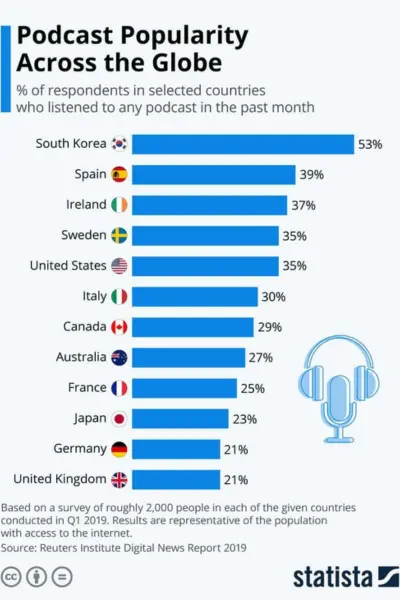
Why Understanding Data Is Crucial for Podcasters
Data empowers podcasters to make informed decisions, grow their audience, and increase revenue. Without proper data insights, it’s hard to know what content resonates or how to improve listener engagement.
The Importance of Data-Driven Decisions
Making decisions based on data helps podcasters focus their efforts on what truly works, ensuring resources are used effectively to maximize impact and listener satisfaction.
- Enables targeted content creation based on listener preferences
- Helps identify growth opportunities through audience analysis
- Improves monetization with better ad targeting and sponsorship deals
- Supports strategic marketing and promotion efforts
How Data Helps Grow Your Audience
- Understand listener demographics and behavior
- Identify popular topics and formats
- Tailor content to audience preferences
- Track listener growth over time
How Data Boosts Monetization
- Enables precise ad targeting for higher revenue
- Helps negotiate better sponsorship deals
- Tracks ad performance and ROI
- Supports diversified income streams
Tips for Podcasters to Use Data Effectively
Leveraging podcast data can help creators fine-tune their content and grow their audience. Understanding which metrics matter is key to making smarter decisions.
Key Metrics to Track
- Average listen duration to measure engagement
- Number of downloads and unique listeners
- Listener demographics like age and location
- Audience retention and drop-off points . podcast to mp3 download
How to Act on Data Insights
- Adjust content based on popular episode topics
- Optimize publishing times for maximum reach
- Experiment with ad placements for better revenue
- Engage with listeners based on feedback and behavior
Common Challenges in Podcast Data Management
Managing podcast data isn’t always straightforward. Podcasters often face obstacles that can affect how effectively they use their data to grow and monetize their shows.
Technical Challenges
- Handling large volumes of data from multiple platforms
- Ensuring compatibility between different analytics tools
- Managing data storage and backups securely
- Integrating data from ads, downloads, and user behavior
Privacy and Compliance Issues
- Navigating data privacy laws like GDPR and CCPA
- Obtaining clear consent from listeners for data collection
- Protecting sensitive user information from breaches
- Keeping transparency with audiences about data use
Data Security
Maintaining strong security protocols is essential to protect podcast data from unauthorized access or breaches.
How Data Enhances Listener Engagement
Using data effectively allows podcasters to create content that resonates deeply with their audience, leading to stronger connections and higher retention rates.
Personalization Strategies
- Analyzing listener preferences to tailor episode topics
- Offering customized recommendations based on listening habits
- Using data to segment the audience for targeted messaging
- Leveraging feedback to improve show formats and delivery
Measuring Engagement Success
- Tracking average listen duration and completion rates
- Monitoring social shares and listener interactions
- Evaluating episode-specific feedback and reviews
- Using A/B testing to optimize content and promotion
Audience Insights
Data-driven insights help podcasters understand their listeners’ needs, enabling more meaningful and relevant content creation.
Data-Driven Podcast Growth Hacks
Want to grow your podcast faster? Using data smartly is your secret weapon. Track what listeners love, ditch what they don’t, and watch your audience explode. It’s not just about numbers — it’s about real actions you can take every week.
Know Your Hits
Check which episodes get the most listens and double down on those topics. Understanding what your audience loves lets you create more of the content that truly resonates.
Time It Right
Release your episodes when your audience is most active—not just when it’s convenient for you. Timing can make a huge difference in how many listeners tune in right away.
Talk to Your Tribe
Engage with your listeners through comments, social media, or surveys. Their feedback is gold for creating content they actually want to hear.
Experiment and Adapt
Use data to try new formats, episode lengths, or topics. If something doesn’t work, pivot quickly and keep improving.
Conclusion
Understanding how topics podcasts store data and leveraging those insights is essential for growing a successful podcast today. Data helps creators tailor content, connect with their audience, and boost monetization — but it’s equally important to handle this information responsibly. By embracing data smartly and ethically, podcasters can unlock new opportunities, improve listener experience, and stay ahead in a competitive landscape.
Start using your podcast data wisely, keep learning from the best data podcasts, and watch your show reach new heights!
A) To improve audio quality
B) To understand audience behavior and preferences
C) To reduce episode length
D) To increase subscription fees
Correct answer: B) To understand audience behavior and preferences
Podcasts store various data like listening metrics (downloads, play duration), user behavior (subscriptions, skips), metadata (episode titles, tags), and advertising data (ad impressions and clicks).
How does data science help podcasters?
Data science helps analyze listener habits, optimize content, improve marketing strategies, and enhance ad targeting to grow the audience and revenue.
Is podcast listener data private?
Yes, reputable podcasters follow privacy laws and protect listener data. However, it’s important to review privacy policies and data protection practices.
What tools do podcasters use to analyze data?
Popular tools include Google Analytics, Chartable, Podtrac, and hosting platform analytics that track downloads, listener demographics, and engagement.
Can podcast data improve monetization?
Absolutely. Data allows targeted advertising, better sponsorship deals, and understanding which content drives revenue, leading to more effective monetization.
Why is understanding podcast data important for new podcasters?
Understanding data helps new podcasters create relevant content, grow their audience faster, make informed marketing decisions, and build a sustainable show.







- Be Respectful
- Stay Relevant
- Stay Positive
- True Feedback
- Encourage Discussion
- Avoid Spamming
- No Fake News
- Don't Copy-Paste
- No Personal Attacks
- Be Respectful
- Stay Relevant
- Stay Positive
- True Feedback
- Encourage Discussion
- Avoid Spamming
- No Fake News
- Don't Copy-Paste
- No Personal Attacks
